
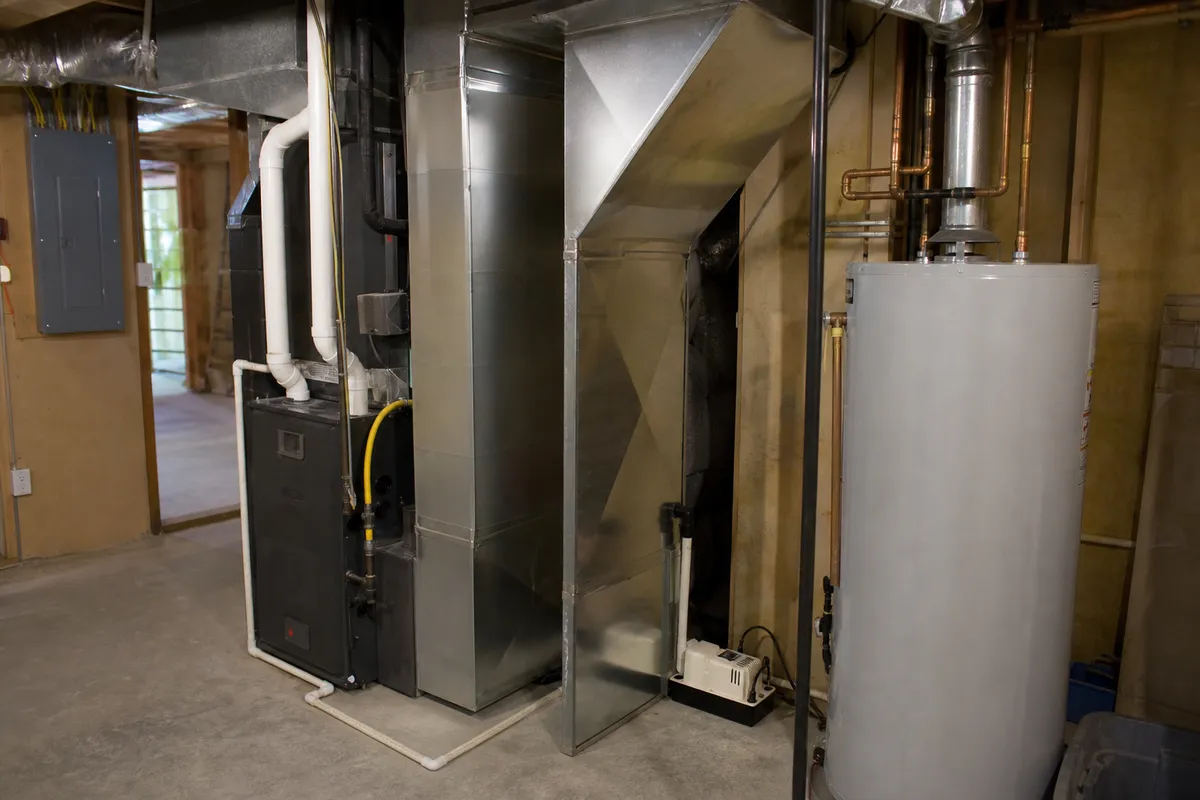
Somebody asks you what HVAC stands for and you nod along like you know. Then your furnace makes a weird clicking noise in January and you realize you don’t actually know what’s behind that closet door. Let’s fix that, because understanding the basics saves you money on every service call for the rest of your time in this house.
TL;DR
- HVAC stands for Heating, Ventilation, and Air Conditioning — the systems that control temperature, humidity, and air quality in your home.
- Most Seattle-area homes built before the 1990s were designed around gas or oil furnaces, not cooling, which is why AC feels like a newer add-on here.
- Heat pumps do both heating and cooling from one outdoor unit, and they’re the most cost-effective upgrade for our mild Puget Sound climate.
- PSE and Snohomish PUD electric rates matter more than ever as more homes electrify — a heat pump’s efficiency directly affects your monthly bill.
- Ductwork, thermostats, and electrical capacity are part of HVAC too, not simply the furnace or condenser.
HVAC, Broken Down Letter by Letter
HVAC is shorthand for three jobs your house needs done, all the time, whether you notice or not:
Heating — usually a gas furnace, electric furnace, or heat pump that warms air and pushes it through ducts.
Ventilation — moving stale indoor air out and fresh air in. This includes bathroom fans, kitchen exhaust, and whole-house ventilation systems, which matter more in our tightly-built, moisture-heavy Western Washington homes than most people realize.
Air Conditioning — cooling and dehumidifying. Historically an afterthought in Seattle, since our summers rarely broke 85°F. That’s changed. If your unit is struggling, AC repair calls have gone up noticeably every July since 2021.
None of these three work in isolation. Your thermostat, your ductwork, and your home’s electrical panel all tie into the same system. A homeowner in Bellevue with a 100-amp panel from 1978 is going to hit a wall trying to add a heat pump and an EV charger without an upgrade — more on that below.
“People think HVAC is about temperature; it’s really about air. Heating and cooling are the loud parts, but ventilation is what decides how the house actually feels — and in tightly sealed modern construction, it’s the part most often done wrong. If a room is always stuffy or always cold, that’s an airflow problem, not a thermostat problem.”
— Sergei Petrov, Founder & Lead HVAC Technician at SPS Pro Services
Why Seattle-Area HVAC Is Different From the Rest of the Country
King and Snohomish counties sit in a marine west coast climate: mild, wet winters (rarely below 25°F), and dry, warm-but-not-brutal summers. That means:
- Furnaces here are sized smaller than furnaces in Minnesota or Montana — we don’t need the same BTU output.
- Air conditioning was optional for decades. A lot of homes in Everett and older Seattle neighborhoods still have zero cooling.
- Humidity control matters year-round because of our rain, not only in summer.
- Heat pumps make unusual sense here because they almost never have to fight sub-zero temperatures, which is where older heat pump technology used to struggle.
This is also why utility choice matters. If you’re on Puget Sound Energy (PSE) electric service, your rates and any electrification rebates differ from a home served by Snohomish County PUD. Both utilities have pushed heat pump incentives in the last few years because heat pumps reduce peak gas demand and lower carbon output. Always check your specific utility’s current rebate page before budgeting a project — the numbers change year to year.
Furnace vs. Heat Pump: The Real Comparison
Homeowners ask me constantly whether to repair an aging furnace or replace it with a heat pump. Here’s a straight comparison based on typical Puget Sound-area homes:
| Factor | Gas Furnace | Heat Pump |
|---|---|---|
| Heating in our climate (35-45°F avg winter) | Very effective, instant heat | Very effective, slightly slower ramp-up |
| Cooling | None (needs separate AC) | Built in |
| Monthly operating cost (PSE gas + electric blend) | Moderate, tied to gas prices | Often lower, tied to electric rate and unit efficiency (SEER2/HSPF2) |
| Upfront install cost, typical single-family home | $4,500-$8,500 for furnace only | $9,000-$16,000 for full system, often offset by rebates |
| Lifespan | 15-20 years | 15-20 years |
| Rebate eligibility (PSE/SnoPUD as of program guidelines) | Limited | Often significant |
If your furnace is over 15 years old and needs a major repair, that’s usually the moment to at least get a quote on heat pump installation instead of just replacing like-for-like. If it’s a newer furnace with a minor issue, straightforward furnace repair is almost always the cheaper path — no need to replace a system that has another decade of life left.
The Part Nobody Talks About: Electrical Capacity
Every heat pump, EV charger, and modern water heater pulls electricity, and older Seattle-area homes — especially anything built before 1990 in neighborhoods around Seattle — were wired for gas-first living. A 100-amp panel was standard then. It’s not enough now if you want:
- A heat pump for heating and cooling
- An EV charger installation in the garage
- An electric or heat pump water heater
- Any future induction range or added circuits
This is where an electrical panel upgrade becomes part of the HVAC conversation, even though it’s technically a separate trade. Most panel upgrades in our service area run $2,800-$5,500 depending on amperage and whether the meter base needs work too. Skipping this step is the number one reason heat pump installs get delayed mid-project — the electrician shows up, sees a maxed-out 100-amp panel, and the whole timeline shifts.
Water Heaters: The Overlooked Fourth System
Technically HVAC doesn’t include water heating, but in practice, homeowners lump it in because the same contractor often handles both, and heat pump water heaters share the same underlying technology as heat pump HVAC systems. If your water heater is over 10 years old, tank-style, and getting noisy or slow to recover, water heater repair is worth a call before you’re stuck with a cold shower and an emergency same-day replacement.
A Practical Checklist Before You Call Anyone
- Note your system’s age — check the manufacturer label inside the furnace door or on the outdoor condenser.
- Check your panel size — look at the main breaker at the top of your electrical panel; it’ll say 100, 150, or 200 amps.
- Track your last 12 months of PSE or Snohomish PUD bills — this tells a technician your actual load, not simply guesses.
- Note any rooms that never feel right — too hot, too cold, too humid. This points to ductwork or zoning issues, not only equipment age.
- Write down any strange sounds, smells, or error codes before the appointment — specifics save diagnostic time and money.
- Ask about single-zone versus multi-zone if you’re considering a mini-split — it changes both cost and comfort room by room.
Mini-FAQ
Does a heat pump work in a Seattle winter? Yes. Our winter lows typically sit in the high 20s to low 40s, which is well within the efficient operating range of any modern heat pump. Cold-climate models handle even our rare hard freezes without issue.
Is HVAC the same as “central air”? Not exactly. Central air usually refers just to the ducted cooling portion. HVAC is the umbrella term covering heating, ventilation, and cooling together, whether it’s ducted, ductless, or a mix.
How often should I have my system serviced? Once a year for a furnace or AC, ideally in spring for cooling and fall for heating. Heat pumps handling both jobs benefit from a check in early fall before heating season ramps up.
Have questions about your specific setup or want an honest read on repair versus replace? Call SPS Pro Services at (206) 427-8907.